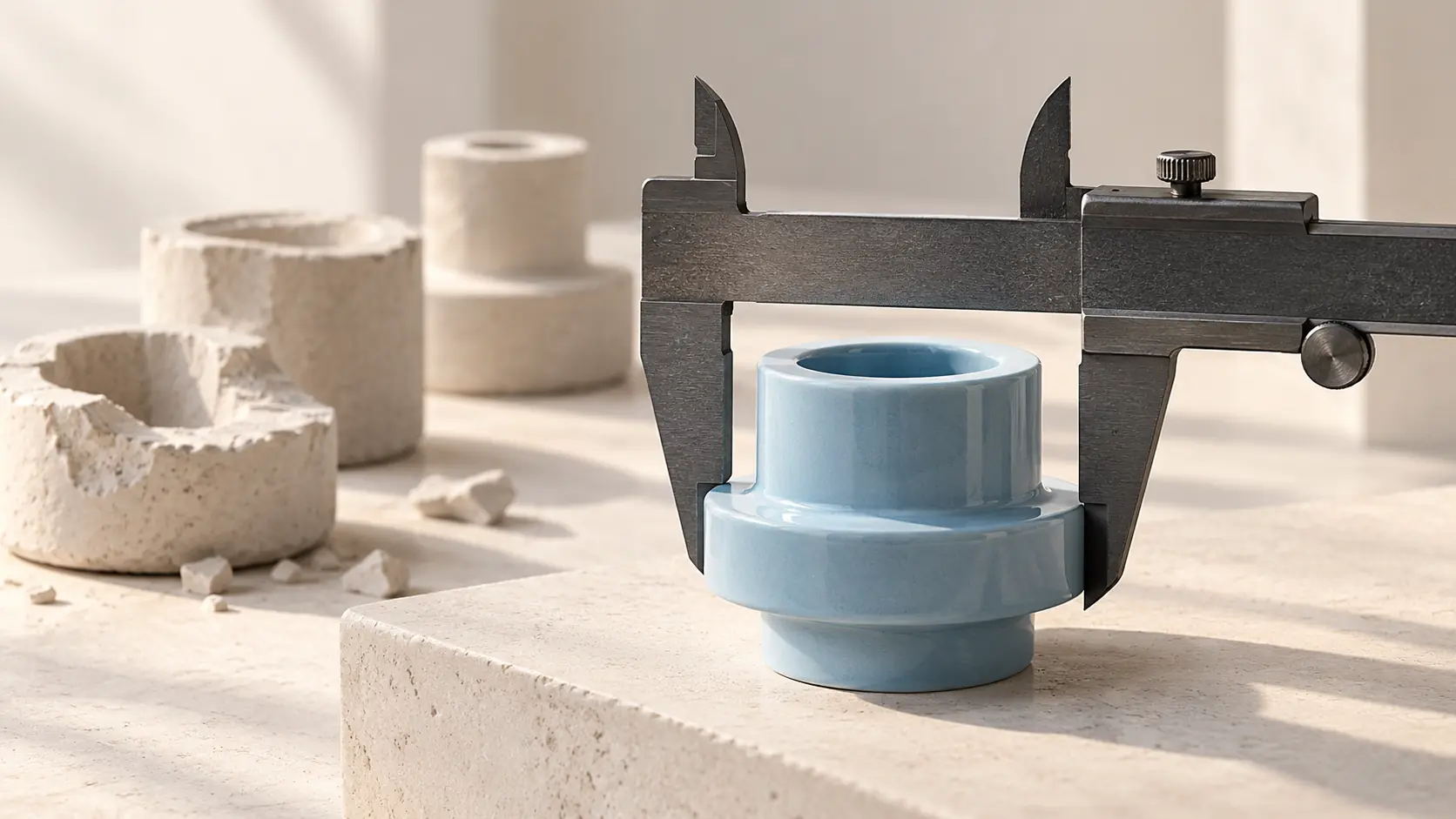
A useful measurement plan follows the work through to completion, including the effort needed to check and correct the result.
Establish the starting point
Measure how the task works today before introducing a new system. Record the range of cases, the time required, and the quality of the finished result. Include the exceptions. A baseline built only from straightforward tasks makes it harder to assess a system that later encounters the full variety of real work.
Follow the whole task
Count preparation, review, correction, and handover as well as generation time. For example, a quickly produced draft may still create substantial editing work. Ask whether the completed task is better, faster, or easier for the people involved. Keep those questions separate so an improvement in one area does not obscure a problem in another.

Compare like with like
Use comparable tasks and explain any differences in the groups or periods being compared. Note changes to staffing, volume, or the surrounding process. Avoid turning a small trial into a broad claim. Describe what the evidence shows, what remains uncertain, and which conditions would need to hold for the result to continue.
Use the results to decide
Agree on what evidence would support expansion and what would prompt another iteration. Revisit the measurements after launch, when the novelty has faded and the system is part of ordinary work. Measurement is useful when it changes a decision or directs attention to something that needs improvement.